After Action Report: King Kong (May 16, 2025)

Bandit LOAF

Long Live the Confederation!
Greetings WingNuts,

Going into the original King Kong, we weren't sure what to think. Some of the older films in our series have been pretty stodgy by today's standards (looking at you, Dam Busters)... and being from 1933, King Kong was the oldest of them all. But we were pleasantly surprised: once King Kong got into the action it was effervescent and as much fun as a modern blockbuster.

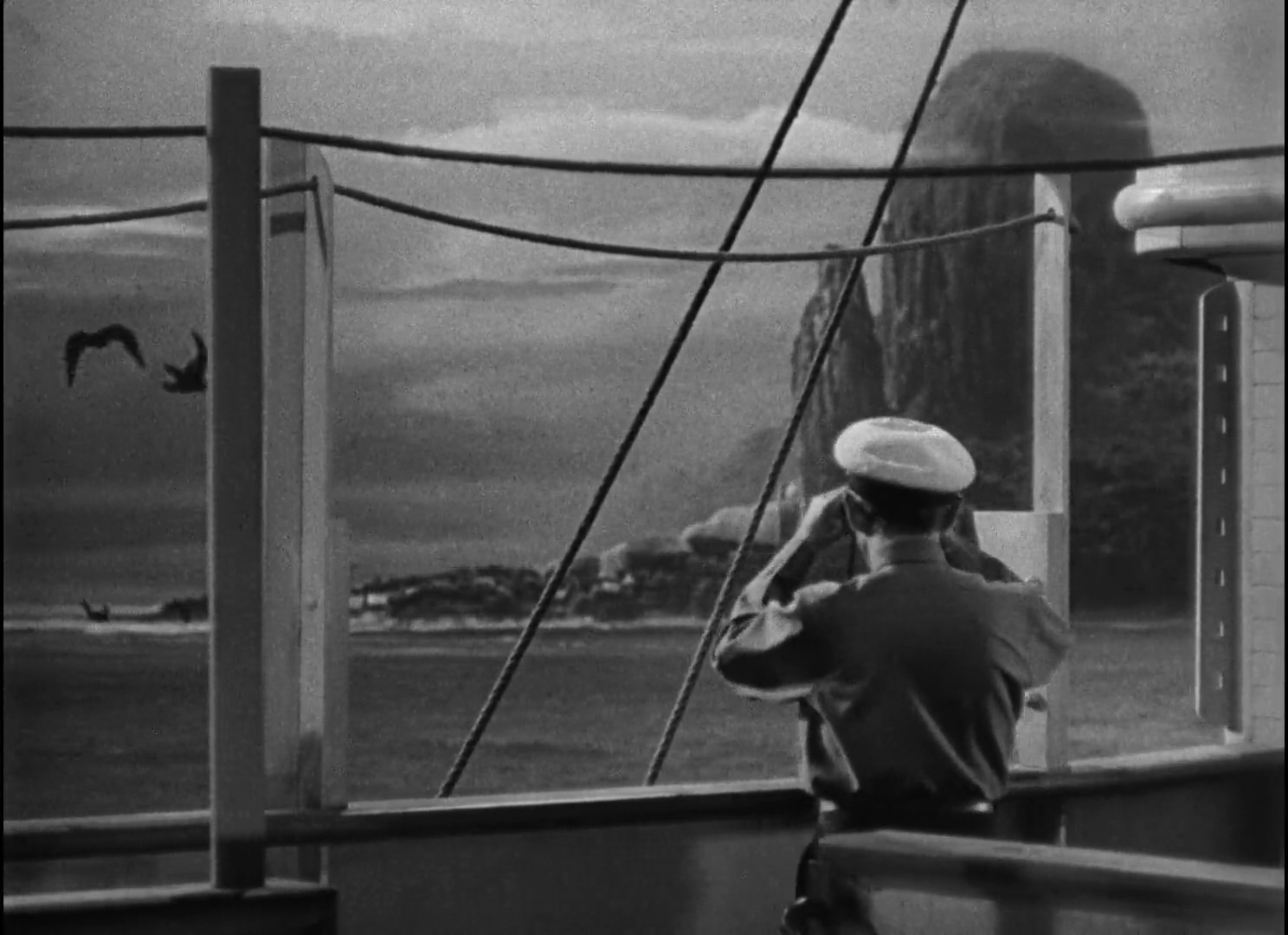
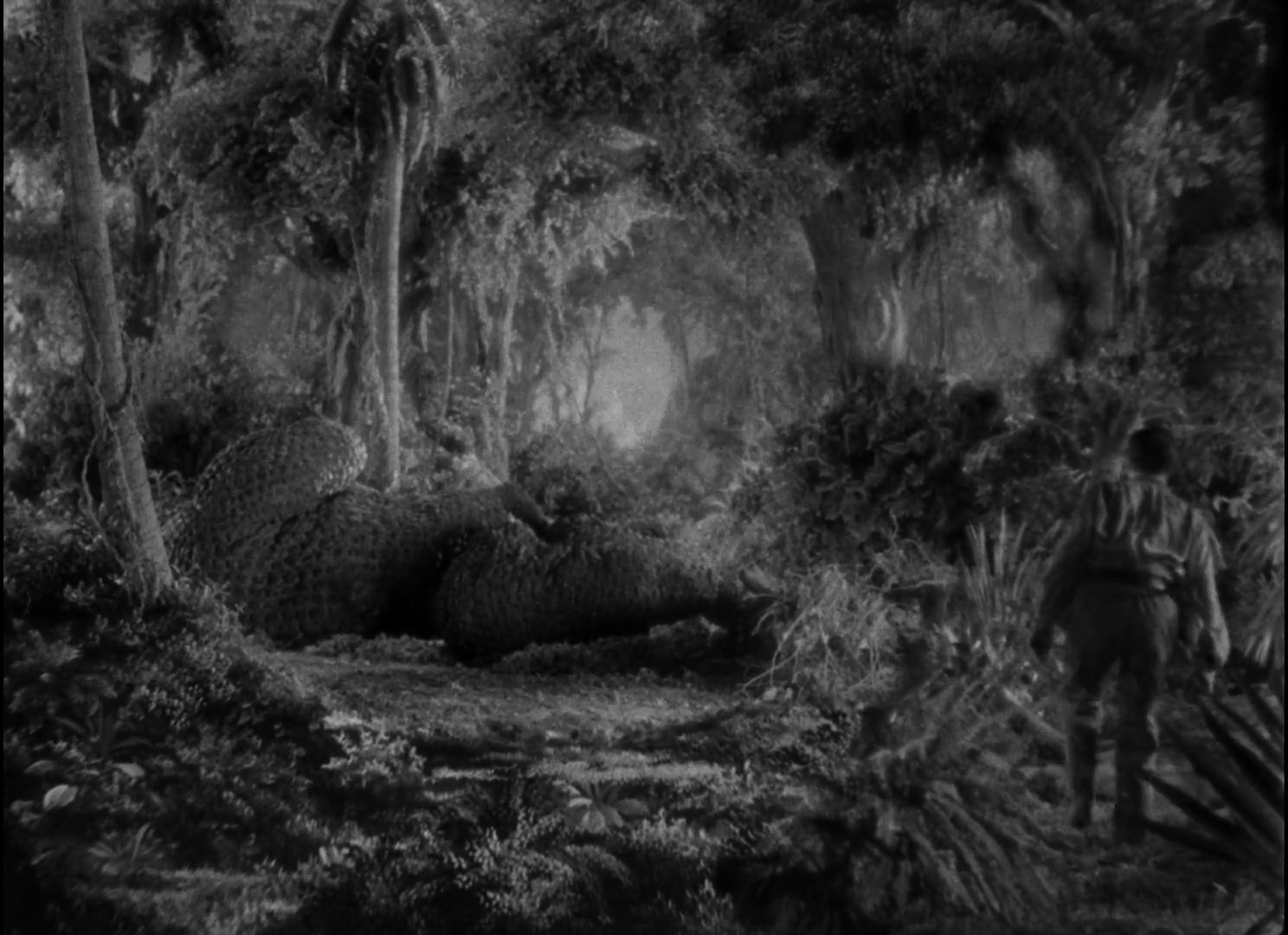
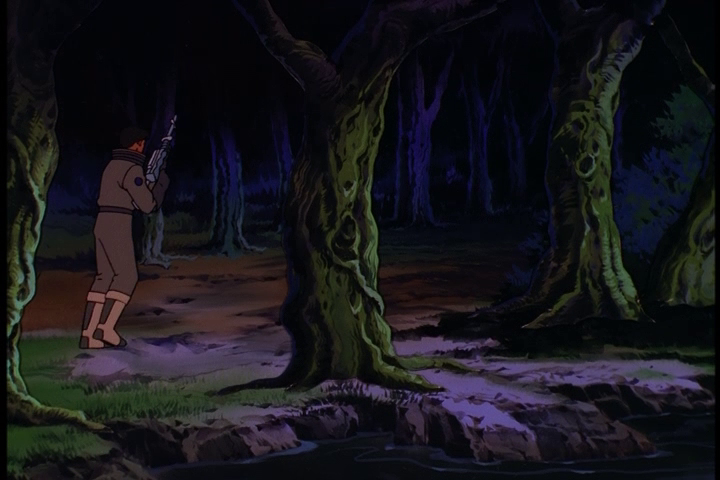
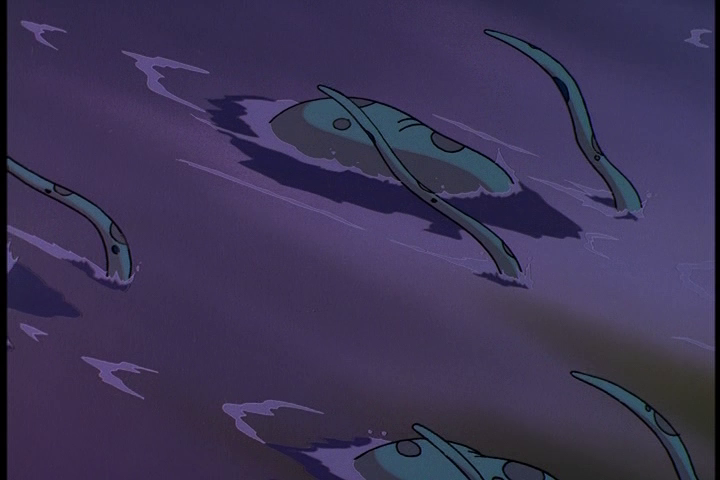
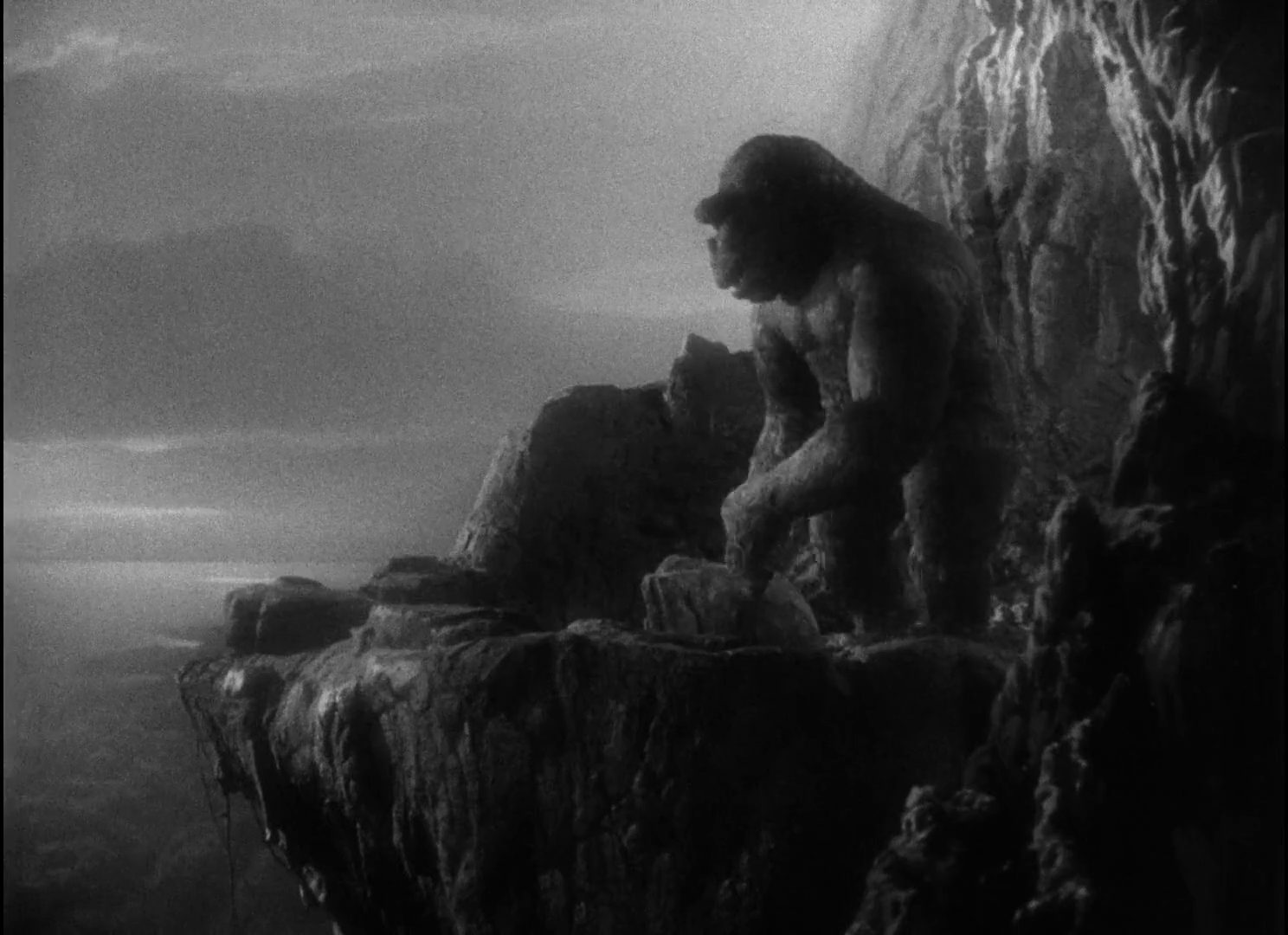
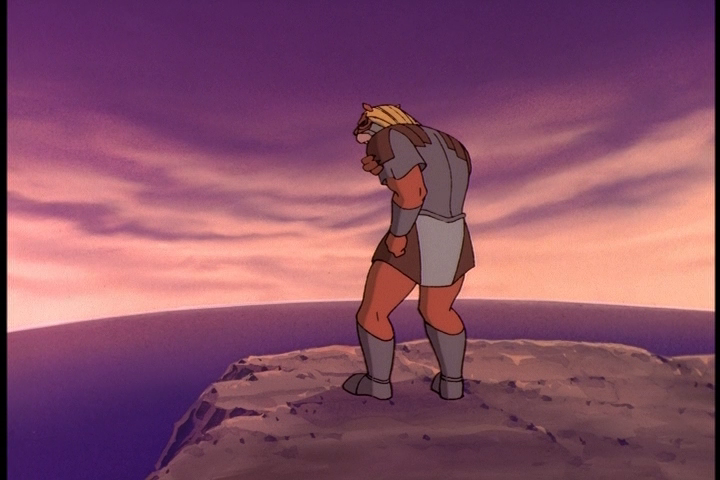
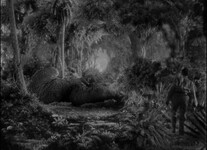
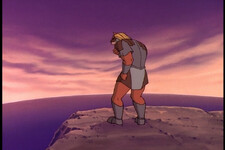
The direct Wing Commander connection comes to us from a USA Network commercial in which Wing Commander Academy's background artists share that the island on Pisces in Word of Honor was based on the one from King Kong. Here's a comparison!
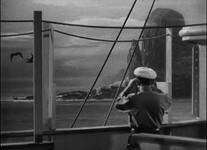



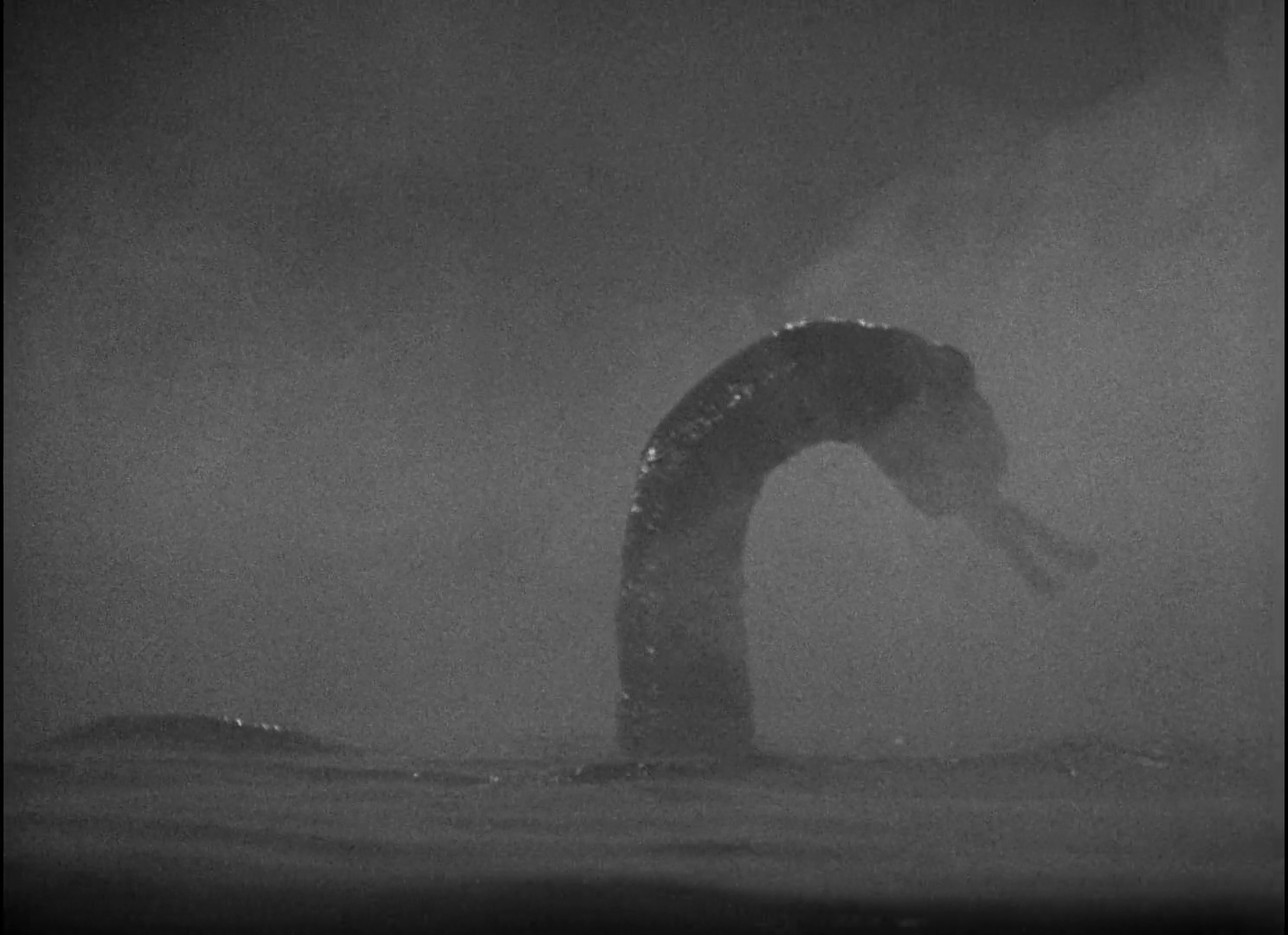
We suspect the entire movement through the second act of the episode was based on King Kong, though. Our heroes must transit a dense jungle... beset by sea monsters... and then escape to a climactic scene on the ledge of the mountain.
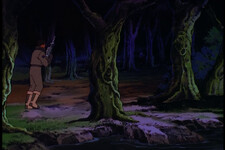
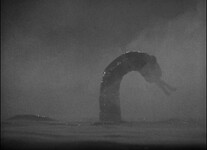
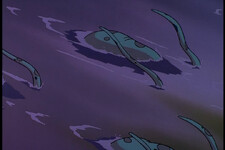
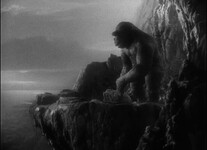

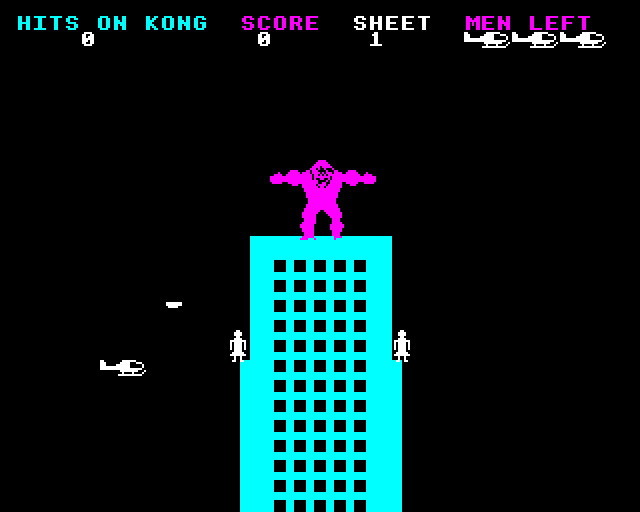
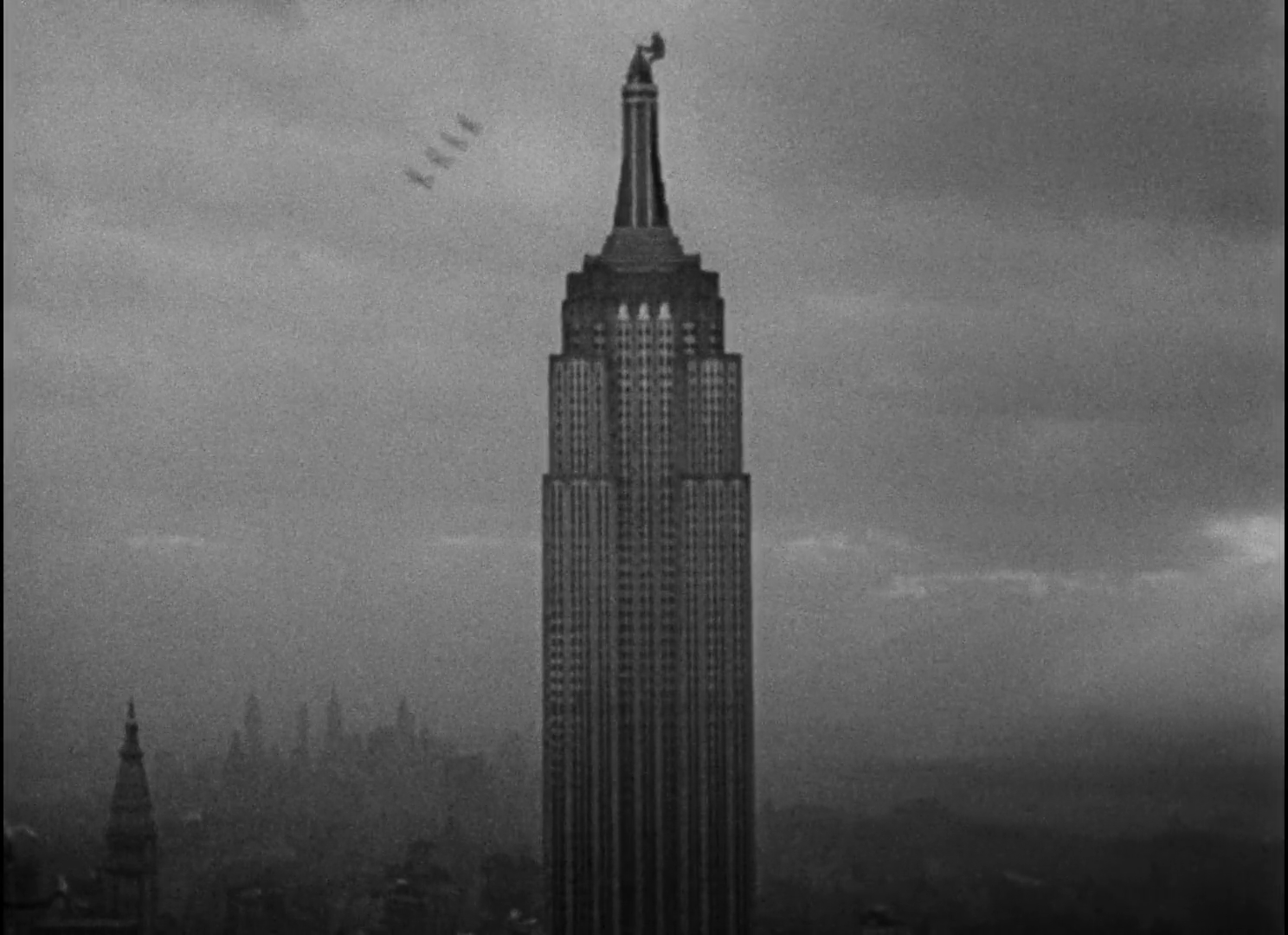
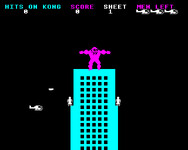
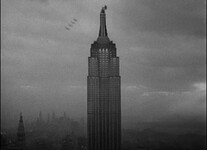
And for good measure, here's the shot that Chris Roberts' game was based on! The game is a bit of a mix of the 1933 and 1978 versions, featuring the Empire State Building from the original but the helicopters from the remake.


Sully is the real eighth wonder of the world.

--
Original update published on May 16, 2025
 
With King Kong, there is something else worth noting. It's not quite a Wing Commander connection, but certainly a very strong air combat connection: Merian C. Cooper, who produced and partially directed King Kong (and of course, flew one of the planes), was himself an air force vet - and a real cool one. He's American, and obviously his main claim to fame is King Kong, but when it comes to his air force service, he is undoubtedly better known today in Poland, than in the US.

Starting in October 1917, Cooper served for about a year in the US Army Air Service flying a DH-4 bomber. I don't know what he accomplished during this time - bomber pilots usually don't get much in terms of glory, so about the only thing commonly mentioned about his service is the fact that he was shot down and presumed dead for a while, but in fact was taken prisoner by the Germans. He was released after the armistice, and this is where things get really interesting. Poland became independent at this time after more than a century of partitions, but its borders were far from secure - there was fighting with Germany in the west, and in the east with the Russians (both Tsarist and Soviet) and the Ukrainians, because there was a lot of overlapping territorial claims. Now, apparently in Cooper's family there had been a story passed down over generations, all the way to the US War of Independence, of the friendship between one of Cooper's ancestors, John Cooper, and Kazimierz Pulaski, who was a Polish volunteer who died fighting for the Americans. Cooper declared that for this reason, he (and in his understanding, America as a whole), he ows a debt of honour to Poland, and wants to pay it back. He travelled to Poland, and after securing a rather unwilling approval (the Polish leadership initially took him for an ordinary mercenary, but warmed up after Cooper clarified his motivations), recruited a squadron of other American pilots. This was the 7th Air Escadrille, also known as the Kościuszko Escadrille (Tadeusz Kościuszko being another famous Polish volunteer in America - there's a statue of him at West Point, which he fortified and defended against the British). Although technically this would be today considered a fighter squadron, their roles were more along the lines of a recon/ground attack squadron, because while the Soviets were superior on the ground, they had very few planes to fight. Cooper flew many times with the squadron, eventually becoming its commander (initially, he didn't command it, because even though it had been his idea, one of the American pilots he recruited, Cedric Fauntleroy, was senior to him in rank). In July 1920, Cooper was shot down by the Soviets, taken prisoner and shipped off to Moscow, from where he escaped with a pair of Polish officers, walking 700 kilometres to get to Latvia and finally back to Poland.

For his deeds, Cooper was awarded the highest Polish military honour, the Virtuti Militari. He did not continue a military career after the Polish-Bolshevik war, however - he went back to the US, and went into journalism before finally becoming a filmmaker. The squadron he had helped create, meanwhile, made a very significant contribution to the Polish victory in the war. Afterwards, it was renamed the 111th Fighter Escadrille, which defended Warsaw against the Germans in 1939, before being evacuated to Romania. Many of its pilots eventually made their way to Britain, where they formed the core of the 303rd Polish Squadron - the single most successful RAF squadron during the Battle of Britain. And, while because of the communist takeover of Poland, there is no direct continuity from the 303rd to the present day, after the fall of communism the traditions of the 303rd were eventually taken up again by the 23rd Tactical Air Base (however odd it may be for an airbase to inherit the traditions of a squadron, but this is because air bases, rather than squadrons, are actually currently the basic unit of the Polish Air Force). What this means, is that the 23rd Air Base today uses insignia originally designed by one of the American pilots more than a century ago for the 7th Escadrille, featuring American stars and stripes. And, in a small bit of irony, until recently, this particular unit used MiG-29s, making them the only squadron in the world to fly with American iconography on a Russian aircraft. And it's all thanks to Merian C. Cooper, the director of King Kong!
 
Last edited:
Back
Top